Hey fellow travelers! Jason here, your go-to guy for exploring amazing destinations without emptying your wallet. Today, we’re setting our sights on a truly refreshing escape: the cool, verdant hills of Malaysia’s Cameron Highlands. Many families dream of this misty paradise, with its sprawling tea plantations and strawberry farms, but worry about the cost. Well, I’m here to tell you that budget family travel in Cameron Highlands is not just possible – it’s incredibly rewarding!
You don’t need a huge budget to create lasting memories with your loved ones amidst the breathtaking scenery. With a little savvy planning and some insider knowledge, your family can enjoy all the charm and beauty the Highlands have to offer without breaking the bank. From finding cheap eats to discovering free activities, I’m going to share everything you need to know for an unforgettable and affordable family adventure.
About Cameron Highlands
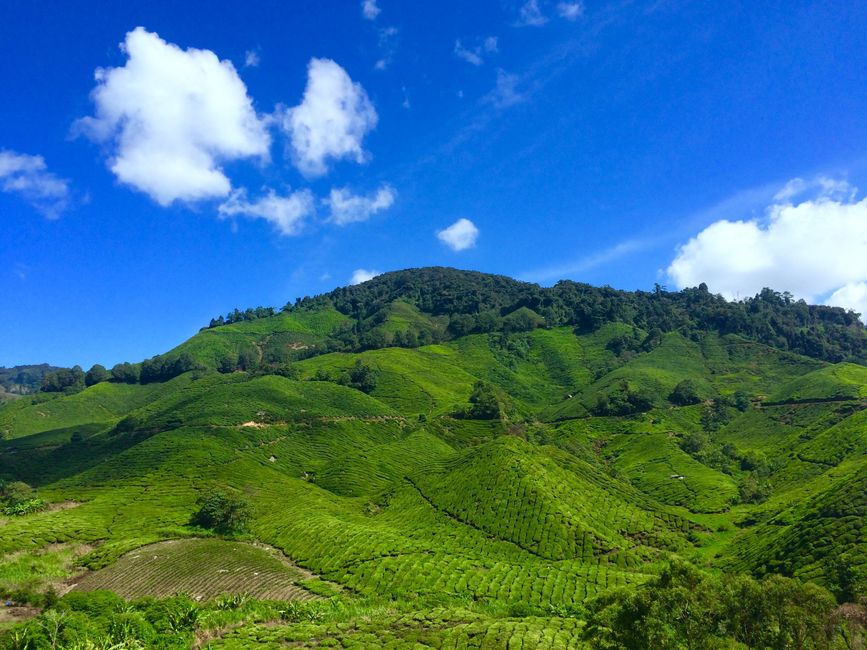
The Cameron Highlands, nestled in the Titiwangsa Mountains of Pahang, Malaysia, is a sprawling hill station famous for its cool climate, lush tea plantations, and vibrant flower gardens. It’s a fantastic escape from the tropical heat of the lowlands, offering a refreshing change of scenery and a plethora of activities perfect for families. Think crisp air, misty mornings, and endless photo opportunities.
Its appeal for families lies in the diverse experiences available. Kids will love picking strawberries, exploring butterfly farms, and spotting unique insects, while parents can relax with a cup of freshly brewed tea amidst stunning landscapes. The cooler temperatures make it ideal for leisurely walks and outdoor exploration, ensuring everyone stays comfortable and engaged.
How to Get There on a Budget
Getting to Cameron Highlands doesn’t have to be expensive, especially if you plan smart. Public transportation is your best friend for budget family travel in Cameron Highlands.
1. By Bus from Major Cities
The most economical way to reach Cameron Highlands is by bus. Direct buses operate regularly from major cities like Kuala Lumpur (KL), Penang, and Ipoh to Tanah Rata, the main town in the Highlands.
* From Kuala Lumpur: Buses from Terminal Bersepadu Selatan (TBS) take about 3.5 to 4 hours. Fares typically range from MYR 35-50 per person. Booking in advance, especially during weekends or public holidays, is highly recommended to secure good prices and ensure availability.
* From Penang: Buses from Penang Sentral in Butterworth take about 4-5 hours, with fares similar to those from KL.
* From Ipoh: This is the shortest and often cheapest bus journey, taking around 2 hours, with fares as low as MYR 20-30.
2. Carpooling or Ride-Sharing
If you’re traveling from nearby cities like Ipoh or Kuala Lumpur, consider looking for carpooling options or checking ride-sharing apps like Grab (though Grab might be pricier for long distances). Sometimes, sharing a taxi from Ipoh can be an option if you find other travelers to split the cost with, making it slightly more comfortable than a bus but still relatively affordable per person.
Budget-Friendly Activities and Attractions
Cameron Highlands is packed with attractions, and while some have entrance fees, there are plenty of free or low-cost options perfect for families on a budget. This is where your budget family travel in Cameron Highlands truly shines!
A. Explore Tea Plantations (Mostly Free!)
You absolutely cannot visit Cameron Highlands without seeing a tea plantation.
* BOH Sungai Palas Tea Centre and Bharat Tea Plantation: Both offer breathtaking views and fascinating insights into tea production. Entry to the plantations and visitor centres is generally free. You only pay if you decide to buy tea, cakes, or souvenirs. Enjoy a cuppa and scone (around MYR 10-20 per person for a set) while soaking in the panoramic vistas. Walking through the tea fields is a magical experience for the whole family and costs nothing!
B. Visit Strawberry Farms (Free Entry, Pay for Picking)
There are numerous strawberry farms dotted around Brinchang and Kea Farm.
* Big Red Strawberry Farm or Kok Lim Strawberry Farm: Entry to most farms is free. You can wander through the rows of strawberries and enjoy the fresh air. If you want to pick your own strawberries, there’s a charge based on weight (typically MYR 25-35 per 500g), which can be a fun activity for kids and a tasty treat. Otherwise, just enjoy the free atmosphere and maybe buy a small, affordable punnet of pre-picked berries or some delicious strawberry ice cream.
C. Discover Local Markets (Free Entry, Cheap Souvenirs & Snacks)
Kea Farm Market: Located between Brinchang and Tringkap, this bustling market offers fresh produce, flowers, and local snacks. It’s free to browse, and you can find affordable souvenirs or pick up fresh fruits for a healthy snack.
Brinchang Night Market (Pasar Malam Brinchang): Open usually on Friday and Saturday evenings (and sometimes daily during peak season), this market is a treasure trove of cheap eats, fresh produce, and unique local goods. It’s a lively atmosphere and perfect for an evening stroll, costing nothing but your curiosity. You can grab dinner here for a fraction of restaurant prices.
D. Hike Through Nature (Absolutely Free!)
Cameron Highlands boasts several well-maintained jungle trails suitable for families.
* Parit Falls Trail (Trail 4): A relatively easy and short trek (about 30-45 minutes return) from Tanah Rata that leads to a small waterfall. It’s a great way to introduce younger children to jungle trekking.
* Trails 3, 5, 9, 10 in Tanah Rata: These trails vary in difficulty but offer fantastic opportunities to experience the natural beauty of the Highlands without spending a dime. Always check trail conditions and wear appropriate footwear. Pack water and maybe some budget-friendly snacks!
E. Lavender Garden (Small Entrance Fee, Worth It for Photos)
While not free, the Lavender Garden usually has a reasonable entrance fee (around MYR 15 per adult, MYR 10 per child) and offers a beautiful, fragrant experience. It’s great for photos and a unique sensory experience for kids, if your budget allows for one paid attraction.
Affordable Accommodation Options
Finding a comfortable yet affordable place to stay is key to successful budget family travel in Cameron Highlands. Luckily, there are plenty of options outside of expensive resorts.
A. Guesthouses and Homestays
Tanah Rata and Brinchang: These are your best bets for budget accommodation. Many guesthouses offer family rooms or connecting rooms at very reasonable rates. You can find clean, basic family rooms (sleeping 3-4) for as low as MYR 80-150 per night during off-peak seasons. Places like Father’s Guest House or Hillview Inn in Tanah Rata often get good reviews for their value.
Look for places with basic kitchen facilities: Some guesthouses might offer shared kitchenettes, allowing you to prepare simple meals and save on dining out.
B. Budget Hotels
Several budget-friendly hotels offer clean and comfortable rooms, often with amenities like hot showers and Wi-Fi.
* Tanah Rata: Hotels like Hotel De’La Ferns (occasionally has good deals), or smaller, independent hotels near the main bus terminal offer competitive rates. Expect to pay around MYR 100-200 for a standard family room, depending on the season and how far in advance you book.
C. Apartment Rentals
For families, renting a basic apartment can be a fantastic option, especially if you plan a longer stay.
* Advantages: More space, separate bedrooms, and often a kitchenette for self-catering.
* Booking: Check platforms like Booking.com or Agoda for apartment units, particularly in areas like Golden Hills or near Brinchang. Prices can vary widely but can be very cost-effective for larger families, potentially from MYR 150-250 per night for a multi-bedroom unit.
Pro-Tip: Always book your accommodation in advance, especially if you’re traveling during peak seasons (school holidays, public holidays, weekends) as prices can skyrocket and availability becomes scarce.
Cheap Eats and Local Food
Eating well on a budget is surprisingly easy in Cameron Highlands! Forget fancy restaurants and dive into the local culinary scene.
A. Local Eateries and Hawker Stalls
Steamboat: A must-try in Cameron Highlands! While some restaurants can be pricey, many local eateries offer affordable steamboat sets. Look for places popular with locals in Tanah Rata or Brinchang. A basic steamboat meal can cost around MYR 25-40 per person, but you can find simpler sets for a family that are good value.
Nasi Ayam & Mee Goreng: These Malaysian staples are readily available and incredibly cheap. A plate of Nasi Ayam (chicken rice) or Mee Goreng (fried noodles) will typically set you back only MYR 8-15 per serving.
Food Courts: Check out the small food courts in Tanah Rata or Brinchang for a variety of affordable options.
B. Brinchang Night Market
As mentioned, the Brinchang Night Market is a foodie paradise. From grilled corn and sweet potatoes to skewers, local snacks, and even full meals, you can eat like royalty for very little. Expect to spend MYR 5-15 per item, allowing your family to sample a wide array of local flavors without busting your budget.
C. Self-Catering and Picnics
If your accommodation has a kitchenette, make use of it!
* Fresh Produce: Head to Kea Farm Market or other local vegetable stalls to buy incredibly fresh and affordable vegetables, fruits (like corn, sweet potatoes, and of course, strawberries!), and other local produce.
* Picnic: Pack a simple picnic lunch with items bought from the market and enjoy it amidst the tea plantations or during a jungle trek. This is one of my favorite ways to enjoy budget family travel in Cameron Highlands.
Budget Travel Tips for Families
Here are a few more Jason-approved tips to keep your Cameron Highlands trip affordable:
1. Travel During Off-Peak Season
Avoid school holidays, public holidays, and long weekends if possible. Prices for accommodation and even some activities can be significantly lower, and the crowds are much smaller. Mid-week travel is usually best.
2. Prioritize Free Activities
Focus on the free tea plantation visits, jungle treks, and market browsing. Choose one or two paid attractions that truly appeal to your family’s interests, rather than trying to see everything.
3. Pack Smart
The weather in Cameron Highlands can be unpredictable. Pack layers (t-shirts, sweaters/jackets), comfortable walking shoes, and rain gear. This saves you from buying expensive clothes on the spot. Don’t forget reusable water bottles!
4. Walk When Possible
Tanah Rata is fairly walkable, and you can often get to nearby attractions or restaurants on foot, saving on taxi fares. For longer distances, consider local buses or ride-sharing apps, but clarify fares upfront.
5. Research and Plan Ahead
Knowing what to expect and pre-booking buses and accommodation can save you money and stress. Read reviews and compare prices.
Conclusion
Cameron Highlands is a fantastic destination for families seeking a refreshing getaway, and with a bit of planning and these budget-friendly strategies, you can make budget family travel in Cameron Highlands a reality. From the stunning tea fields and vibrant markets to delicious local food and comfortable, affordable stays, your family can enjoy a memorable adventure without financial strain. So, pack your bags, embrace the cool mountain air, and get ready to create some incredible family memories!
Frequently Asked Questions (FAQ)
1. Is Cameron Highlands expensive for families?
No, not necessarily! While there are luxury options, Cameron Highlands can be very affordable for families. By focusing on budget accommodation, cheap local eats, and free or low-cost activities like tea plantation visits and jungle treks, you can have a fantastic family trip without spending a fortune.
2. What’s the best way to get around Cameron Highlands on a budget?
For intercity travel, taking a bus to Tanah Rata is the cheapest option. Once there, walking is great for short distances. For longer trips between towns or to plantations, local buses are available but infrequent. Taxis or Grab are options, but sharing with others or booking specific tours (check local tour operators for small group deals) can help split costs. Renting a scooter is another adventurous, budget-friendly option for smaller families if you’re comfortable with it.
3. Are there free things to do in Cameron Highlands for families?
Absolutely! Many of the best experiences are free. You can wander through tea plantations, visit local markets (like Kea Farm), enjoy jungle trekking on designated trails, and simply soak in the beautiful mountain scenery. Strawberry farms often have free entry, where you only pay if you choose to pick your own fruit.
Hey there, fellow wanderlusters and budget warriors! Jason here, ready to whisk you away to one of Kuala Lumpur’s most incredible, vibrant, and incredibly affordable experiences: the Taman Connaught Night Market. If you’re anything like me, you live for authentic local experiences that don’t drain your travel fund, and trust me, this night market is a prime example of getting maximum bang for your buck!
Forget fancy restaurants and pricey souvenirs. The Taman Connaught Night Market, affectionately known as a “pasar malam” by locals, is a bustling, sensory overload that offers a true taste of Malaysian culture, delicious cheap eats, and incredible bargains, all under the enchanting glow of countless vendor stalls. So, strap on your walking shoes and get ready to dive into the heart of Cheras without breaking the bank!
About Taman Connaught Night Market
Imagine a street stretching for over two kilometers, packed shoulder-to-shoulder with hundreds of vendors, each hawking their wares or sizzling up mouth-watering street food. That, my friends, is the Taman Connaught Night Market. It’s not just a market; it’s a weekly festival, a culinary adventure, and a treasure hunt all rolled into one. For budget travelers like us, it’s an absolute must-visit.
1. What Makes It Special?
What sets Taman Connaught apart from other night markets in KL? Its sheer scale and variety! It’s widely recognized as one of the longest night markets in Malaysia, offering an unparalleled selection of food, drinks, clothing, accessories, household items, and even live plants. The atmosphere is electric – a symphony of sizzling woks, enthusiastic vendors, and the chatter of thousands of excited visitors. It’s a microcosm of Malaysian life, bustling with a vibrant mix of cultures and flavors.
2. When to Visit
Here’s the crucial detail for planning your budget adventure: the Taman Connaught Night Market only operates every Wednesday evening. Vendors typically start setting up around 4:00 PM, and the market officially kicks into high gear from about 5:00 PM until midnight. My pro-tip for budget travelers: aim to arrive around 5:30 PM to 6:00 PM. You’ll beat the absolute peak crowds that descend later in the evening, giving you a slightly more relaxed experience to browse and snag your first round of cheap eats before the main rush.
Budget-Friendly Activities and Attractions
The main “attraction” here is the market itself, offering a plethora of activities that are inherently budget-friendly. Your wallet will thank you!
A. Food Hunting Extravaganza
This is where the Taman Connaught Night Market truly shines for budget travelers. With hundreds of food stalls, you can literally eat your way through Malaysia and beyond for just a few ringgit. We’re talking dishes that typically cost anywhere from RM 5 to RM 15 ($1.10 – $3.30 USD). Think small portions, allowing you to sample a huge variety without getting full too quickly or spending too much. It’s a fantastic opportunity to try new flavors without committing to a full meal, perfect for adventurous eaters on a tight budget.
B. Shopping for Bargains
Beyond the food, the market is a treasure trove for budget shopping. You’ll find everything from trendy clothes and quirky accessories to phone cases, toys, and unique souvenirs. While it’s not high fashion, you can definitely pick up some stylish pieces or practical items for a fraction of what you’d pay in a mall. Don’t be shy to politely bargain a little, especially if you’re buying multiple items from the same stall – it’s often expected and can save you a few extra ringgit!
C. Soaking in the Local Atmosphere
Sometimes, the best budget activity is simply immersing yourself in the local culture. The Taman Connaught Night Market offers an incredible opportunity for people-watching, observing daily life, and just soaking in the lively, energetic ambiance. It’s a free and fascinating cultural experience that gives you a genuine glimpse into the heart of a Malaysian community. Just wander, observe, and let the sights, sounds, and smells transport you!
Cheap Eats and Local Food
Alright, let’s get down to the most important part: the food! Your taste buds (and your wallet) are in for a serious treat.
1. Must-Try Dishes at Taman Connaught Night Market
Prepare for a culinary riot! Here are some of my personal favorites that you absolutely have to try, all typically under RM 10 ($2.20 USD):
Stinky Tofu (Chou Doufu): Don’t let the name scare you! This fermented tofu, deep-fried to a golden crisp and served with chili sauce, is a Taiwanese specialty that has found a loving home here. It’s a unique experience that many budget travelers bravely (and often surprisingly) enjoy.
Curry Mee: A rich, spicy noodle soup with coconut milk, often served with chicken, prawns, tofu puffs, and cockles. Comfort food at its finest!
Satay: Skewers of marinated and grilled chicken or beef, served with a heavenly peanut sauce. Grab a few sticks for a quick, delicious bite.
Chee Cheong Fun: Steamed rice noodle rolls, typically served with a variety of sweet, savory, or spicy sauces, often topped with sesame seeds.
Dim Sum: Small, delicate Chinese dumplings and buns, perfect for sharing and trying a variety of flavors.
Fried Chicken: Crispy, juicy, and seasoned to perfection – a crowd-pleaser that won’t break the bank.
Various Kuih: These are traditional Malaysian bite-sized snacks and desserts, often colorful and made from glutinous rice, coconut milk, and palm sugar. Pick a few for a sweet treat!
Fresh Juices: From sugarcane to coconut water and tropical fruit blends, stay hydrated with refreshing drinks often costing just RM 5-7.
2. Budget Eating Strategies
To truly maximize your budget at Taman Connaught Night Market, here are a few tricks:
* Share and Conquer: If you’re traveling with a friend, order a few different items and share. This way, you get to try more dishes without overspending or getting too full too quickly.
* Look for Samples: Some vendors offer small samples, especially for snacks or desserts. Take advantage to taste before you commit!
* Cash is King: While some vendors might accept e-wallets, cash, especially small denominations, is preferred and makes transactions much quicker.
* Pace Yourself: It’s tempting to buy everything you see, but take your time. Walk the entire market first to see all the options before deciding on your feast. You’ll likely find similar items at different prices.
Affordable Accommodation Options
While there aren’t many direct hotels right at the Taman Connaught Night Market, Kuala Lumpur’s excellent public transport network means you can easily stay in budget-friendly areas and get there without hassle.
A. Hostels and Guesthouses Near Taman Connaught (or with Easy MRT Access)
Your best bet for budget accommodation is to look for hostels or guesthouses in areas that are well-connected by the MRT (Mass Rapid Transit).
* Cheras Area: Staying within Cheras itself (perhaps closer to another MRT station like Cheras or Maluri) can offer slightly cheaper guesthouses and local lodging options compared to the city center. You’ll be a short Grab ride or a few MRT stops away. Hostels here might start from around RM 40-60 ($9-13 USD) per night for a dorm bed.
* Bukit Bintang / Pudu: These central areas are teeming with budget hostels and guesthouses (often starting from RM 30-50 for a dorm bed, or RM 80-120 for a private room) and offer direct MRT links to Taman Connaught. It’s a great base for exploring the city while still having easy access to the market.
B. Budget Hotels
If you prefer a private room but still want to keep costs down, look for budget hotel chains. You can find places like OYO Rooms, Tune Hotels, or local boutique hotels in areas like Pudu, Brickfields, or even near certain MRT stations in Cheras. Prices for basic private rooms typically range from RM 80-150 ($17-33 USD) per night, offering comfort without breaking the bank. Always check reviews for cleanliness and location relative to public transport!
How to Get There on a Budget
Getting to Taman Connaught Night Market on a budget is surprisingly easy, thanks to Kuala Lumpur’s efficient public transportation.
1. Taking the MRT
This is hands-down the most budget-friendly and convenient way to reach the market.
* Destination Station: Take the MRT Kajang Line (the green line) and alight at Taman Connaught MRT Station.
* From the Station: Once you exit Taman Connaught MRT Station, the market is about a 10-15 minute walk. Just follow the crowds (especially on a Wednesday evening!) or use a navigation app. The walk is part of the experience, building up your appetite! MRT fares are very affordable, usually just a few ringgit from most parts of KL.
2. Buses and Ride-Sharing Apps
Local Buses: Kuala Lumpur has an extensive bus network. Check the local RapidKL bus routes if you’re coming from an area not directly serviced by the MRT. However, buses can be slower and more complicated for first-timers.
Grab (Ride-Sharing): While not as cheap as the MRT, Grab is a very affordable and convenient alternative to traditional taxis. A Grab ride from central KL to Taman Connaught might cost anywhere from RM 15-25 ($3.30-$5.50 USD), depending on traffic and time of day. If you’re traveling in a small group, splitting a Grab fare can sometimes be comparable to public transport, especially if you prioritize door-to-door convenience after a long night of feasting.
Budget Travel Tips for Taman Connaught Night Market
A few extra tips to ensure your visit to the Taman Connaught Night Market is as smooth and budget-friendly as possible!
1. Bring Cash (Small Denominations)
As mentioned, cash is king here! Most vendors at Taman Connaught Night Market operate solely on cash. Having smaller bills (RM 5, RM 10, RM 20) will make transactions quicker and easier, as vendors might not always have change for larger notes.
2. Wear Comfortable Shoes
You’ll be doing a lot of walking, standing, and potentially navigating crowds along the two-kilometer stretch. Trust me, your feet will thank you for wearing comfy shoes!
3. Go Early (and Be Patient!)
Arrive just as the market is starting (around 5:30 PM – 6:00 PM) to avoid the absolute peak hour crush. However, even then, expect crowds. Embrace the chaos, go with the flow, and be patient when queuing for popular food stalls. Good things come to those who wait!
4. Stay Hydrated
It can get quite warm and humid, even in the evening, especially with the crowds and food stalls. Grab a fresh fruit juice, sugarcane drink, or a bottle of water early on to stay refreshed as you explore.
5. Keep an Eye on Your Belongings
While generally safe, crowded places are always an opportunity for petty theft. Keep your wallet, phone, and other valuables secure in a front pocket or a cross-body bag. Be mindful of your surroundings.
Conclusion
The Taman Connaught Night Market isn’t just a place to eat and shop; it’s an immersive cultural experience that truly embodies the spirit of Malaysia. For budget travelers, it’s a goldmine of affordable adventures, delicious cheap eats, and vibrant local life. So, when you’re planning your Kuala Lumpur itinerary, make sure you set aside a Wednesday evening for this incredible pasar malam. Your taste buds and your wallet will absolutely thank you for it!
Frequently Asked Questions (FAQ)
1. What day is Taman Connaught Night Market open?
The Taman Connaught Night Market is only open every Wednesday evening, typically from around 5:00 PM until midnight.
2. How long is the Taman Connaught Night Market?
It is one of the longest night markets in Malaysia, stretching for approximately two kilometers.
3. Is Taman Connaught Night Market expensive?
No, it is very budget-friendly! You can find a vast array of cheap eats, with most dishes costing between RM 5 to RM 15. Shopping for goods also offers great bargains.
4. What is the best way to get to Taman Connaught Night Market?
The most budget-friendly and convenient way is to take the MRT Kajang Line to Taman Connaught MRT Station, then enjoy a 10-15 minute walk to the market. Ride-sharing apps like Grab are also an affordable alternative.
Hey fellow adventurers! Jason here, and if there’s one thing I love, it’s finding incredible experiences without emptying my wallet. Today, we’re diving into a relatively new and exciting part of Malaysia’s vibrant capital: Trx Exchange Kuala Lumpur. Now, I know what you might be thinking – a gleaming new financial district and luxury mall? Sounds expensive, right? Well, hold your horses! With a bit of insider knowledge and smart planning, you can absolutely enjoy The Exchange TRX and its surroundings on a budget.
Kuala Lumpur is a treasure trove for budget travelers, offering a fantastic blend of culture, modernity, and mouth-watering food that won’t break the bank. And Trx Exchange Kuala Lumpur, despite its upscale veneer, has some surprisingly budget-friendly gems waiting to be discovered. Let’s dig in and explore how you can make the most of your visit without splurging!
About Trx Exchange Kuala Lumpur
The Exchange TRX, often referred to simply as TRX, is Kuala Lumpur’s latest integrated lifestyle and financial district. It’s home to a massive luxury shopping mall, office towers, and, importantly for us budgeteers, the stunning TRX City Park. This area represents the future of urban development in KL, blending sleek architecture with green spaces. While it might seem intimidatingly grand at first glance, its accessibility and certain free attractions make it a worthwhile stop on any budget itinerary. Think of it as a modern marvel you can admire and enjoy without needing a VIP credit card!
1. The Vibe of Modern Kuala Lumpur
TRX offers a glimpse into a contemporary side of Kuala Lumpur, showcasing global brands and cutting-edge design. It’s a stark contrast to the historic charm of Chinatown or the bustling street markets, but experiencing both facets of KL is what makes the city so diverse and exciting. Plus, it’s an excellent spot for people-watching and soaking in the city’s modern energy.
2. A Hub of Connectivity
One of the best things about Trx Exchange Kuala Lumpur from a budget perspective is its superb public transport connectivity. With its own MRT station directly integrated into the complex, getting here is a breeze and incredibly cheap. This makes it an easy addition to your KL itinerary, even if you’re staying a bit further out.
Budget-Friendly Activities and Attractions
You might think a place like The Exchange TRX is all about high-end shopping, but trust me, there are fantastic free and low-cost ways to enjoy your time here. This is where your budget traveler radar really shines!
A. Explore TRX City Park
This is my top recommendation for budget travelers visiting Trx Exchange Kuala Lumpur. The TRX City Park is a beautifully designed, sprawling rooftop park that offers stunning views of the Kuala Lumpur skyline, including the iconic Petronas Twin Towers and KL Tower. It’s completely free to enter and wander around!
* What to do: Enjoy a leisurely stroll, find a comfy bench to relax, take some amazing photos, or simply soak in the urban oasis vibe. There are different zones, including a forest trail, a playground area, and open lawns. It’s perfect for a morning walk or an evening escape from the heat.
* Cost: Absolutely FREE!
* Jason’s Tip: Pack a sandwich and a drink from a local convenience store or a hawker stall nearby and enjoy a picnic with a view. You’ll save money on expensive café food inside the mall.
B. Window Shopping and Architecture Appreciation
Who says you need to buy something to enjoy a mall? The Exchange TRX mall itself is an architectural marvel. The interior design is impressive, with intricate details and a bright, airy feel.
* What to do: Take your time to walk through the various levels, admire the displays (especially around festive seasons!), and appreciate the modern aesthetics. It’s a great way to escape the midday heat for a bit, and it costs nothing.
* Cost: Free, as long as you resist the urge to buy!
C. Photo Opportunities Galore
With its unique architecture, green spaces, and city views, Trx Exchange Kuala Lumpur offers countless spots for memorable photos. From the park’s vantage points to the mall’s stylish interiors, your camera will love it here.
* Cost: Free – just bring your phone or camera!
Affordable Accommodation Options
While you won’t find budget hostels directly within Trx Exchange Kuala Lumpur (it’s a financial district, after all!), Kuala Lumpur boasts an excellent range of affordable accommodation options just a short MRT ride away.
1. Bukit Bintang
This is often my go-to area for budget stays in KL. It’s lively, central, and packed with hostels, guesthouses, and budget hotels.
* Why it’s good: Excellent nightlife, fantastic street food (Jalan Alor!), and incredibly well-connected by public transport. You can find hostel dorm beds starting from as low as $10-$15 USD per night, and budget private rooms from $25-$40 USD.
* Getting to TRX: Hop on the MRT from Bukit Bintang station directly to TRX station. It’s just a few stops and super convenient.
2. Chinatown (Petaling Street Area)
For a more cultural and bustling experience, Chinatown is another fantastic choice for budget travelers.
* Why it’s good: Rich history, vibrant markets, incredibly cheap eats, and a bohemian vibe. Accommodation here ranges from charming boutique hostels to no-frills guesthouses, with prices similar to Bukit Bintang.
* Getting to TRX: From Pasar Seni (near Chinatown), you can take the MRT directly to TRX station.
3. Pudu
A slightly less touristy but equally well-connected area, Pudu offers even more local charm and often slightly cheaper accommodation.
* Why it’s good: Authentic local food, traditional markets, and generally lower prices for both food and lodging.
* Getting to TRX: Several bus routes connect Pudu to the TRX area, or you can take a short walk to an MRT station like Pudu or Chan Sow Lin and connect to TRX.
Cheap Eats and Local Food
Eating well on a budget in Kuala Lumpur is incredibly easy, and your visit to Trx Exchange Kuala Lumpur doesn’t have to change that. While the mall has plenty of high-end restaurants, there are smarter choices available.
A. The Exchange TRX Food Hall / Dining Loft
Even within a luxury mall, food courts are often a budget traveler’s best friend. The Exchange TRX has a well-curated food hall with various local and international options.
* What to expect: You can find stalls offering local favorites like Nasi Lemak, Laksa, and various noodle dishes for around RM15-RM25 (approx. $3-$5 USD). It’s slightly more expensive than street food, but still affordable for a mall setting. Look for options like “Food Republic” or similar food court concepts within the mall.
B. Jalan Alor (Bukit Bintang)
Just a short MRT ride from Trx Exchange Kuala Lumpur, Jalan Alor is THE place for street food in KL.
* What to expect: A sensory explosion of sights, sounds, and smells. You’ll find everything from satay and grilled seafood to Hokkien Mee and durian. Dishes typically cost between RM10-RM20 ($2-$4 USD). It’s perfect for dinner after exploring TRX.
C. Petaling Street (Chinatown)
Another iconic food haven, Petaling Street offers a different vibe but equally delicious and cheap eats.
* What to expect: Famous for its Hokkien Mee, roast duck, and various hawker stalls. You can easily feast for under RM20 ($4 USD). Don’t miss the local desserts like Ais Kacang or Cendol!
D. Local Kopitiams and Mamak Stalls
Venture just outside the immediate TRX area, and you’ll find plenty of local coffee shops (kopitiams) and 24-hour Indian-Muslim (mamak) stalls.
* What to expect: These are staples of Malaysian life, offering incredibly cheap and tasty food like Roti Canai (around RM3-RM5), Teh Tarik, Nasi Goreng, and Mee Goreng. It’s an authentic and highly budget-friendly experience.
Budget Travel Tips for Trx Exchange Kuala Lumpur
To truly master the art of budget travel around TRX and KL, keep these golden tips in mind:
1. Utilize Public Transport
Kuala Lumpur’s public transport system, especially the MRT, is excellent and affordable. The TRX station is directly connected to The Exchange TRX mall, making it super easy to access. A single MRT ride usually costs between RM2-RM5 ($0.50-$1.50 USD). Get a Touch ‘n Go card for seamless travel and slight discounts.
2. Stay Hydrated Smartly
KL can be hot and humid. Don’t buy expensive bottled water from convenience stores in the mall. Carry a reusable water bottle and refill it at your accommodation or look for public water dispensers if available. Otherwise, buy larger bottles from supermarkets.
3. Embrace Walking
Many attractions in KL are within walking distance of MRT stations. While TRX is a destination in itself, consider walking to nearby areas like Bukit Bintang if the weather permits and you want to save a few ringgit on transport.
4. Free Wi-Fi
The Exchange TRX mall generally offers free Wi-Fi, which is great for staying connected, navigating, or planning your next move without burning through mobile data. Just look for the network!
5. Look for Happy Hour Deals (if you drink)
If you fancy a drink, many establishments in Bukit Bintang offer happy hour deals, which can significantly cut down costs compared to ordering drinks at regular prices, especially in upscale areas like TRX.
How to Get There on a Budget
Reaching Trx Exchange Kuala Lumpur is incredibly easy and cheap, thanks to its integration with Kuala Lumpur’s efficient public transport system.
A. By MRT (Mass Rapid Transit)
The Best Option: The most budget-friendly and convenient way to get to TRX is by taking the MRT Kajang Line. The TRX MRT Station is directly connected to The Exchange TRX mall, meaning you literally step off the train and into the complex.
From where: If you’re coming from popular areas like Bukit Bintang, Pasar Seni (Chinatown/Central Market), or KL Sentral (via interchange), simply take the MRT Kajang Line. A single journey typically costs between RM2-RM4.
B. By Bus
Alternative: While the MRT is often faster, Rapid KL buses also serve the TRX area. Check the Rapid KL app or website for routes that pass through TRX. Bus fares are usually even cheaper than the MRT, starting from around RM1-RM3. This might take a bit longer but can be a good option if a direct bus route suits your starting point.
C. Avoid Taxis/Ride-Sharing During Peak Hours
While Grab (Southeast Asia’s version of Uber) is affordable in KL compared to many Western countries, surge pricing during peak hours (morning and evening commutes, heavy rain) can make it expensive. Stick to the MRT for consistent, low fares.
Conclusion
So there you have it, fellow budget travelers! Trx Exchange Kuala Lumpur might be a symbol of modern luxury, but it’s absolutely within reach for those of us who love to explore without overspending. From the incredible, free TRX City Park offering panoramic views to its fantastic public transport connectivity and the promise of delicious, cheap eats just a stone’s throw away, The Exchange TRX offers a unique blend of experiences. Don’t let its shiny exterior fool you – with a little planning and my budget tips, you can enjoy this impressive part of KL and still have plenty of ringgit left for your next adventure. Happy travels!
Frequently Asked Questions (FAQ)
1. Is Trx Exchange Kuala Lumpur expensive to visit?
Not necessarily! While it houses luxury brands and high-end restaurants, there are plenty of free attractions like the TRX City Park and opportunities for window shopping. You can also find relatively affordable food options in the mall’s food court or venture just outside for very cheap local eats.
2. What’s the best budget activity at The Exchange TRX?
Hands down, visiting the TRX City Park. It’s a huge, beautifully landscaped rooftop park that’s completely free to enter. You can enjoy stunning city views, relax, and take photos without spending a single penny.
3. How can I get to Trx Exchange Kuala Lumpur cheaply?
The most budget-friendly way is by using Kuala Lumpur’s MRT system. The TRX MRT Station is directly connected to The Exchange TRX, making it incredibly convenient and affordable. A single ride typically costs just a few Malaysian Ringgit.
4. Can I find cheap food near Trx Exchange Kuala Lumpur?
Absolutely! While the mall has pricier options, its food hall offers more budget-friendly choices (around RM15-RM25 per meal). For truly cheap eats, take a short MRT ride to Jalan Alor in Bukit Bintang or Petaling Street in Chinatown, where you can feast on delicious street food for under RM20.
5. Are there any free attractions nearby TRX?
Besides the TRX City Park, you can explore the bustling street markets of Bukit Bintang (just one MRT stop away), enjoy the atmosphere of Jalan Alor (for street food browsing even if you don’t buy), or take a walk to admire the architecture in the surrounding financial district.
Hey there, fellow adventurers! Jason here, ready to dive into one of Kuala Lumpur’s most vibrant, bustling, and wallet-friendly districts: Chinatown Kuala Lumpur. If you’re anything like me, you love soaking up culture, tasting incredible food, and finding hidden gems, all without blowing your travel budget. And let me tell you, Chinatown KL is an absolute goldmine for budget travelers!
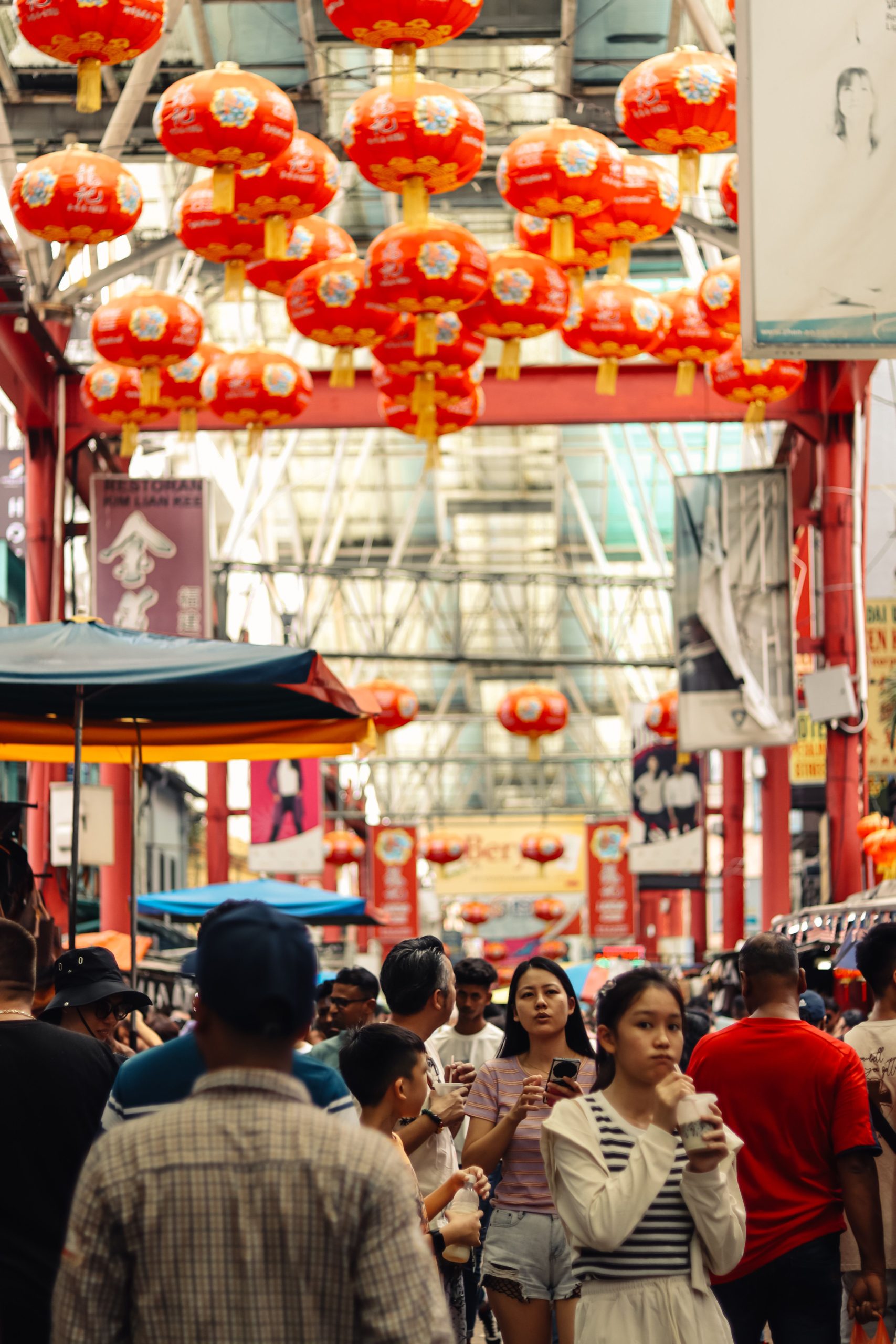
From the moment you step into its bustling streets, you’ll be hit with an explosion of sights, sounds, and smells. It’s a place where history intertwines with modern street art, where ancient temples stand beside bustling hawker stalls, and where every corner promises a new discovery. This guide is your ticket to navigating Chinatown Kuala Lumpur like a pro, ensuring you experience the best it has to offer without breaking the bank. Get ready to stretch your ringgit further than you thought possible!
About Chinatown Kuala Lumpur
Chinatown Kuala Lumpur, often synonymous with Petaling Street, is more than just a market; it’s a living, breathing testament to the city’s rich multicultural heritage. Historically, this area was the heart of the Chinese community in KL, a vibrant commercial hub that has evolved significantly over the centuries. Today, it remains a focal point for trade, food, and culture, attracting both locals and tourists with its unique charm.
1. A Glimpse into History
The origins of Chinatown Kuala Lumpur trace back to the late 19th century when Chinese tin miners settled here. What started as a small community grew into a thriving commercial center. The iconic Petaling Street, with its distinctive green archway, was once a hub for opium dens and brothels before transforming into the bustling market we know today. Exploring its side alleys reveals beautifully preserved pre-war shophouses, each telling a story of bygone eras. It’s a truly fascinating blend of old and new.
2. Beyond Petaling Street
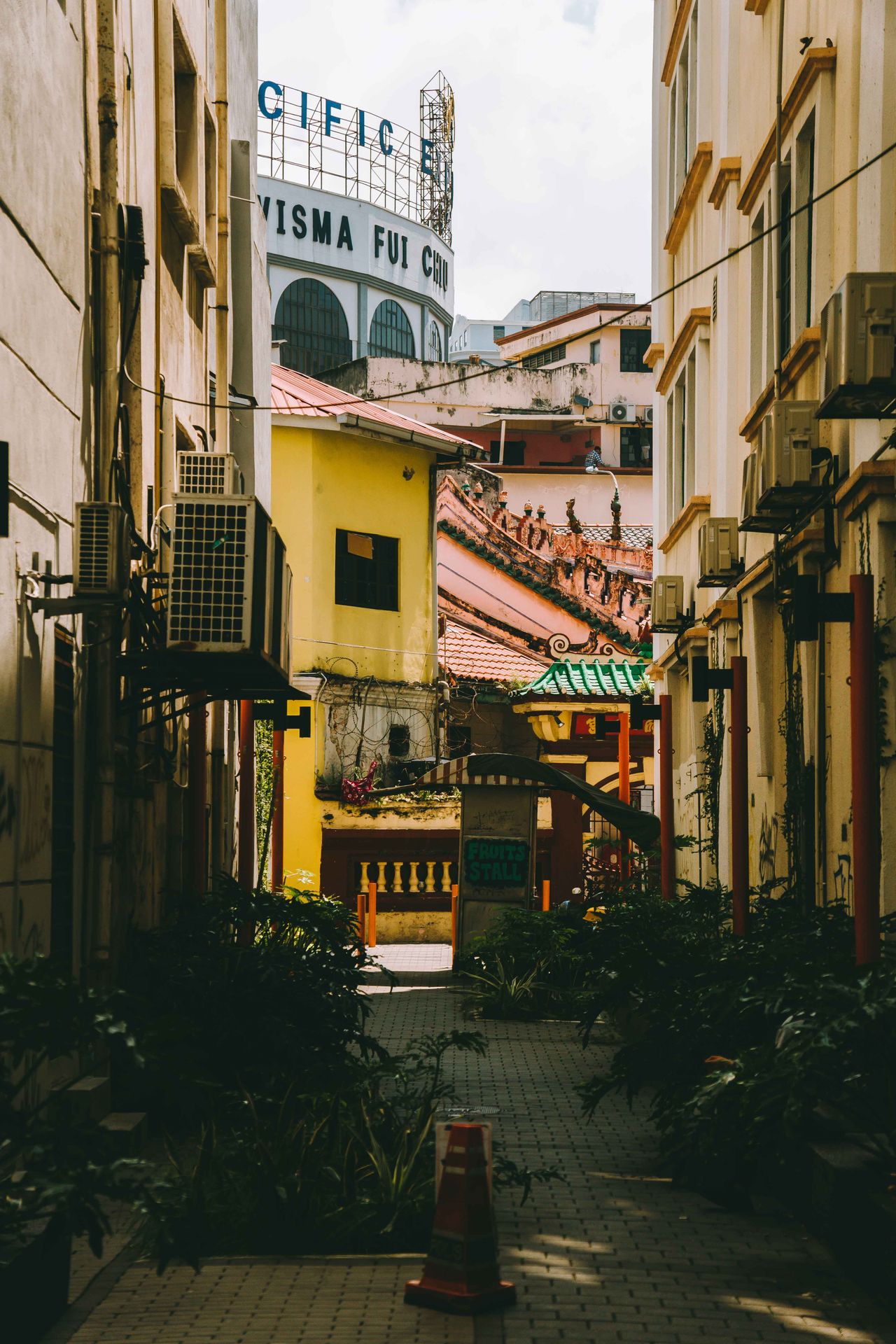
While Petaling Street is undeniably the star, there’s much more to explore in Chinatown Kuala Lumpur. Wander off the main drag and you’ll find quieter lanes, historic temples, and hidden cafes. Areas like Kwai Chai Hong offer a charming glimpse into the past with beautifully restored shophouses and captivating murals, making for perfect photo opportunities without spending a single sen. It’s the kind of place where getting a little lost leads to the best discoveries.
Budget-Friendly Activities and Attractions
One of the best things about Chinatown Kuala Lumpur is how many incredible experiences you can have for little to no cost. Your budget-traveling heart will sing with joy!
A. Petaling Street Market
The undisputed heart of Chinatown Kuala Lumpur, Petaling Street is a covered market renowned for its bargain-hunting opportunities. You’ll find everything from imitation goods (bags, watches, clothes) to souvenirs, local snacks, and electronics. The key here is to bargain hard! Start by offering half the asking price and negotiate your way up. It’s a fun, lively experience, and you can easily spend an hour or two soaking in the atmosphere, even if you’re just window shopping.
B. Kwai Chai Hong (Hidden Lane)
Just a stone’s throw from Petaling Street, Kwai Chai Hong, or the “Little Ghost Lane,” is a beautifully restored alleyway bringing old Kuala Lumpur to life through vibrant murals and art installations. It’s completely free to enter and offers a delightful journey back in time, showcasing traditional Chinese life in KL. The murals are incredibly detailed and make for fantastic photos. Don’t miss this charming spot – it’s a real gem!
C. Temples and Cultural Sites
Chinatown is home to several significant religious sites that are free to enter (donations are welcome, of course).
* Sri Mahamariamman Temple: Kuala Lumpur’s oldest Hindu temple, with its elaborate, colorful facade and intricate sculptures, is a feast for the eyes. Remember to dress modestly and remove your shoes before entering.
* Chan See Shu Yuen Temple: One of the largest and most ornate Chinese temples in Malaysia, known for its intricate carvings, clay sculptures, and ornate roof. It’s a peaceful escape from the street’s hustle.
* Guan Di Temple: Dedicated to the Taoist God of War, this temple is popular among locals seeking blessings for strength and protection.
D. Central Market (Pasar Seni)
While technically just outside the immediate Chinatown area, Central Market is easily accessible by foot and a must-visit. It’s housed in a beautifully preserved art deco building and offers a more organized shopping experience for Malaysian handicrafts, batik, souvenirs, and art. It’s a great place to pick up authentic gifts, and you can usually find items for under RM30-50 ($7-12). They also have cultural performances sometimes, which are often free to watch!
Affordable Accommodation Options
Staying in or near Chinatown Kuala Lumpur is a brilliant move for budget travelers. You’ll be right in the action, with easy access to public transport and endless food options.
A. Hostels
Chinatown is packed with excellent hostels offering both dormitory beds and private rooms. You can typically find a clean dorm bed for as little as RM30-60 ($7-14) per night, while private rooms can range from RM80-150 ($19-35). Look for hostels along Jalan Sultan, Jalan Tun H.S. Lee, or in the nearby Pudu area. Many offer free Wi-Fi, communal areas, and sometimes even free breakfast, saving you even more cash. Popular choices include Mingle Hostel, Travel Hub Highstreet, and BackHome Hostel.
B. Budget Hotels and Guesthouses
If you prefer a private space without breaking the bank, guesthouses and small budget hotels are plentiful. These often feature basic but comfortable rooms with air-conditioning and an en-suite bathroom. Prices usually start from RM100-200 ($23-47) per night, making them a great value option for couples or those seeking a bit more privacy. Many are housed in charming colonial-era shophouses, adding to the local experience.
Cheap Eats and Local Food
Get ready for a culinary adventure, because Chinatown Kuala Lumpur is a paradise for cheap eats! You can literally eat like a king for under RM20 ($5) per meal.
A. Petaling Street Hawker Stalls
As dusk falls, Petaling Street transforms into an open-air food court. You’ll find countless stalls selling everything from Char Kuey Teow (stir-fried flat noodles), Hokkien Mee (dark soy sauce noodles), Wantan Mee, and Rojak. My personal favorites include the Apam Balik (peanut pancake) for a sweet treat and a fresh coconut for hydration. Most dishes cost between RM8-15 ($2-3.50).
B. Madras Lane Hawker Centre
Tucked away just off Petaling Street (look for the alleyway near the Wet Market), Madras Lane is legendary for its Curry Laksa and Chee Cheong Fun. It’s a local favorite, bustling with activity, especially during lunchtime. A bowl of rich, flavorful Curry Laksa here will set you back around RM10-12 ($2.50-3) and is an absolute must-try. Come early to beat the crowds!
C. Jalan Sultan and Surrounding Kopitiams
Explore Jalan Sultan and its adjacent streets for more traditional Chinese kopitiams (coffee shops) and restaurants. These are great spots for breakfast, offering classic Malaysian staples like Nasi Lemak, Roti Canai, and Kaya Toast with soft-boiled eggs, all for just a few ringgit. Don’t forget to try a strong local coffee or Teh Tarik (pulled tea).
D. Street Food Galore
Beyond the main hawker areas, keep an eye out for street vendors selling delicious snacks like deep-fried sweet potato balls, freshly made soy milk, dim sum, and various kuih (traditional cakes). These small bites are perfect for fueling your explorations and typically cost just a few ringgit each.
How to Get There on a Budget
Getting to Chinatown Kuala Lumpur is incredibly easy and affordable thanks to KL’s excellent public transport system.
A. LRT (Light Rail Transit) / MRT (Mass Rapid Transit)
The most convenient and budget-friendly way to reach Chinatown is via the LRT Kelana Jaya Line or the MRT Kajang Line.
* Pasar Seni Station is your stop for both lines. It’s literally a 5-minute walk to Petaling Street and Central Market. A single journey from KL Sentral costs just a few ringgit (usually RM1.80-2.50, less than $1).
B. GoKL City Bus (Free Bus Service)
Kuala Lumpur offers a fantastic free bus service called GoKL. The Purple Line covers many key areas, including Chinatown Kuala Lumpur. Look for stops near Pasar Seni or the various temples. It’s completely free and a great way to save money while seeing the city, though it can get crowded during peak hours.
C. Walking
If you’re staying within the Golden Triangle or near Bukit Bintang, Chinatown is often within walking distance (20-30 minutes). It’s a great way to see more of the city and save on transport costs. Just make sure to stay hydrated, especially during the day!
Budget Travel Tips for Chinatown Kuala Lumpur
To maximize your savings and enhance your experience in Chinatown Kuala Lumpur, here are some tried-and-true tips:
1. Master the Art of Bargaining
Seriously, don’t be shy on Petaling Street! Bargaining is expected and part of the fun. Always start low and aim for a price you’re comfortable with. If you walk away, they often call you back with a better offer.
2. Hydrate Smart
It gets hot and humid in Kuala Lumpur. Instead of buying bottled water constantly, bring a reusable bottle and refill it. Many hostels and some cafes offer filtered water. Or, enjoy a fresh coconut from a street vendor for a refreshing, natural drink.
3. Eat Like a Local
Stick to hawker stalls, kopitiams, and local restaurants for your meals. Not only is the food incredibly delicious, but it’s also significantly cheaper than tourist-focused restaurants. Don’t be afraid to try dishes you’ve never heard of – that’s part of the adventure!
4. Utilize Public Transport
The LRT, MRT, and GoKL bus are your best friends for getting around Kuala Lumpur. Avoid taxis or ride-shares like Grab during peak traffic, as fares can surge. Consider getting a Touch ‘n Go card for seamless travel on public transport.
5. Explore on Foot
Chinatown Kuala Lumpur is best explored on foot. Wear comfortable shoes and wander through the alleys, discover street art, and stumble upon hidden cafes. It’s free, healthy, and you’ll uncover details you’d miss otherwise.
6. Free Attractions are Your Friend
As highlighted, many temples and cultural sites in Chinatown are free to enter. Embrace these opportunities to soak in the local culture without spending a dime.
Conclusion
There you have it, folks! Chinatown Kuala Lumpur is an absolute gem for anyone traveling on a budget. It’s a place that assaults your senses in the best possible way, offering a rich tapestry of history, culture, and, most importantly for us budgeteers, incredibly affordable experiences. From haggling for souvenirs on Petaling Street to savoring mouth-watering local delicacies and exploring ancient temples, you can immerse yourself fully without ever feeling like you’re missing out. So pack your bags, bring your adventurous spirit, and get ready to fall in love with the vibrant, welcoming chaos that is Chinatown Kuala Lumpur. Your wallet, and your soul, will thank you!
Frequently Asked Questions (FAQ)
1. Is Chinatown Kuala Lumpur safe for tourists?
Generally, yes, Chinatown Kuala Lumpur is safe for tourists. Like any bustling market area, it’s wise to be aware of your surroundings, especially at night, and keep an eye on your belongings to avoid pickpocketing. I’ve always felt safe exploring the area, even solo.
2. What’s the best time to visit Petaling Street?
For shopping, the market typically comes alive in the late afternoon and evening (from around 4 PM until late), when the stalls are fully set up and the atmosphere is most vibrant. For food, it’s busy throughout the day, with lunch and dinner being peak times. If you want to explore the cultural sites with fewer crowds, morning is usually best.
3. How much money do I need per day in Chinatown Kuala Lumpur?
For a budget traveler focused on cheap eats and free attractions, you could comfortably get by on RM50-80 ($12-19) per day, excluding accommodation. This would cover meals, snacks, public transport, and perhaps a small souvenir. If you include a hostel dorm, budget around RM80-140 ($19-33) per day.
4. Can I use credit cards in Chinatown?
While larger stores and some restaurants in the surrounding area accept credit cards, most hawker stalls, small shops on Petaling Street, and street food vendors operate on a cash-only basis. It’s always a good idea to carry small denominations of Malaysian Ringgit (RM) when exploring Chinatown Kuala Lumpur.
Hey there, fellow wanderlusters! Jason here, your friendly guide to exploring the world without emptying your wallet. Today, we’re diving headfirst into the vibrant heart of Kuala Lumpur, specifically focusing on one of its most iconic landmarks: Suria KLCC. Now, I know what you might be thinking – Suria KLCC, a high-end shopping mall beneath the majestic Petronas Twin Towers, sounds anything but budget-friendly, especially when it comes to food. But fear not! I’m here to tell you that with a bit of insider knowledge and a sprinkle of savvy planning, you can absolutely enjoy fantastic Suria KLCC food and the surrounding area without blowing your entire travel fund.
Kuala Lumpur is a foodie paradise, and even in its swankiest corners, there are gems waiting to be discovered by the budget-conscious traveler. From bustling food courts to hidden hawker stalls just a stone’s throw away, getting your fill of delicious Malaysian cuisine doesn’t have to cost an arm and a leg. So, let’s get ready to feast your eyes (and your stomach!) on the best budget-friendly tips for tackling Suria KLCC food and beyond.
About Suria KLCC
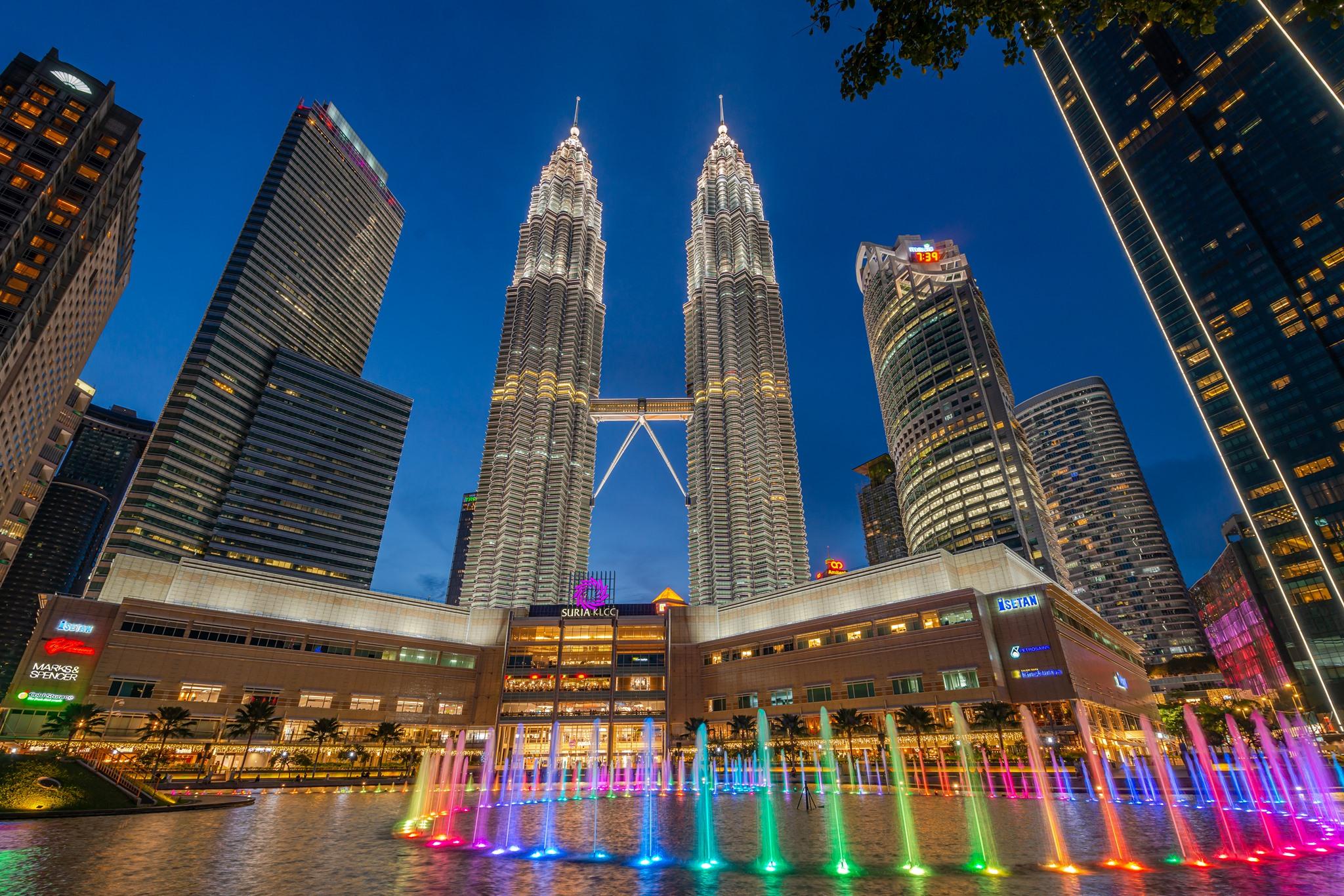
Suria KLCC isn’t just a shopping mall; it’s an experience. Nestled at the base of the gleaming Petronas Twin Towers, it’s a major hub for tourists and locals alike. Inside, you’ll find everything from international luxury brands to local boutiques, a fantastic bookstore, and even an art gallery. But for us budget travelers, it’s also a crucial landmark for exploring the surrounding attractions and, most importantly, scouting out those affordable eating spots.
1. More Than Just a Mall
Beyond its retail offerings, Suria KLCC houses attractions like the Petrosains Discovery Centre and Aquaria KLCC. It also directly connects to the beautiful KLCC Park, a sprawling green oasis perfect for an afternoon stroll. Understanding the layout helps you navigate and find those precious cheap eats without getting lost in the glitz.
2. Strategic Location for Budget Explorers
Its central location makes Suria KLCC an ideal starting point for exploring other parts of Kuala Lumpur. With excellent public transport links, you’re only a short train ride away from cultural hotspots like Chinatown, the vibrant street art of Bukit Bintang, or the historical Merdeka Square. And yes, these areas are often goldmines for even cheaper food options!
Budget-Friendly Activities and Attractions
While Suria KLCC itself might seem pricey, the surrounding area offers plenty of free or low-cost activities that are perfect for any budget traveler.
A. KLCC Park
Right behind Suria KLCC lies the expansive KLCC Park. This is an absolute must-do and it’s completely free! You can spend hours here, enjoying the lush greenery, walking trails, and playgrounds. Don’t miss the Lake Symphony at the Esplanade, where you can catch a spectacular water fountain show with lights and music every evening (usually at 8 PM, 9 PM, and 10 PM). It’s a magical experience and one of the best free things to do in the city.
B. Petronas Twin Towers (Exterior View & Bridge Tickets)
Admiring the Petronas Twin Towers from the outside is free, and honestly, the view from KLCC Park or just standing on the concourse is breathtaking enough. If your budget allows for a splurge, you can buy tickets to go up to the Skybridge and Observation Deck. However, for a truly budget experience, just soak in the architectural marvel from below.
C. Public Art and City Exploration
Take a walk around the immediate vicinity of Suria KLCC. You’ll often stumble upon interesting public art installations, beautifully landscaped areas, and the general hustle and bustle of city life. Exploring on foot is always the cheapest way to see a city and truly get a feel for its pulse.
Affordable Accommodation Options
While staying directly in the KLCC area can be pricey, plenty of budget-friendly accommodation options are just a short public transport ride away.
A. Hostels in Bukit Bintang or Chinatown
For backpackers, areas like Bukit Bintang and Chinatown are teeming with fantastic hostels offering dorm beds from as low as RM30-50 (approximately $7-12 USD) a night. These areas are vibrant, full of life, and have excellent public transport connections (LRT, Monorail) that will get you to KLCC in 10-15 minutes. Plus, both areas are famous for their own incredible street food scenes!
B. Budget Hotels and Guesthouses
If hostels aren’t your style, look for budget hotels or guesthouses a bit further out from the immediate city center, but still well-connected by LRT or Monorail. Areas like Pudu or even parts of Kampung Baru offer decent rooms for RM80-150 ($19-35 USD) a night. Always check reviews and location convenience regarding public transport.
Cheap Eats and Local Food
Alright, budget warriors, this is what you came for! Let’s talk about how to conquer your hunger without conquering your wallet, focusing on delicious Suria KLCC food and its surrounding treasures.
A. Suria KLCC Food Court: Signature Food Court (Level 2)
Your primary go-to for affordable Suria KLCC food is the Signature Food Court on Level 2. This place is a lifesaver for budget travelers. It offers a wide variety of local Malaysian dishes, as well as some international options, all under one roof. You can expect to find generous portions of Nasi Lemak, Laksa, Chicken Rice, Char Kway Teow, and various curries for around RM15-25 ($3.50-6 USD) per meal. While it’s slightly pricier than a street hawker, it’s a fantastic value for being inside a premium mall and offers air-conditioned comfort. It’s clean, efficient, and a great way to sample different local flavors.
B. Cold Storage Supermarket (Concourse Level)
For an even cheaper Suria KLCC food option, head down to the Cold Storage supermarket on the concourse level. Here, you can grab pre-made sandwiches, salads, pastries, sushi, or even a hot meal from their deli counter. It’s perfect for a quick, cheap breakfast or a light lunch. You can easily get a satisfying bite and a drink for under RM15 ($3.50 USD). Plus, buying snacks and drinks here is significantly cheaper than from convenience stores or cafes within the mall.
C. Beyond Suria KLCC: Nearby Budget Bites
While Suria KLCC offers some decent budget options, the real adventure (and even bigger savings) begins when you venture just outside the mall’s immediate vicinity.
1. Tapak Urban Street Dining
Just a short walk (about 10-15 minutes) from KLCC, or a super quick Grab ride, you’ll find Tapak Urban Street Dining. This vibrant open-air food truck park comes alive in the evenings (typically from 6 PM onwards). You’ll find a fantastic array of local and international street food, often with a creative twist, at very reasonable prices. Think gourmet burgers, fusion pasta, local grilled skewers, and delicious desserts, most dishes costing RM10-25 ($2.50-6 USD). The atmosphere is buzzing, and it’s a great experience.
2. Kampung Baru Hawker Stalls
For an authentic local food experience, take a short LRT ride (one stop from KLCC to Kampung Baru station) or a 15-20 minute walk to Kampung Baru. This traditional Malay village in the heart of the city is a treasure trove of affordable, delicious local food. Look for warungs (food stalls) serving classic Malay dishes like Nasi Lemak, Satay, Roti Canai, and Apam Balik (Malaysian pancake). Meals here can easily be found for under RM10 ($2.50 USD). It’s a cultural experience as much as a culinary one.
3. Mamak Stalls
All over Kuala Lumpur, including within walking distance of KLCC (though you might need to explore a bit), you’ll find Mamak stalls. These open-all-night Indian-Muslim eateries are legendary for their super cheap and tasty food. Grab a fluffy Roti Canai with dhal curry for just a few ringgit (RM2-5), or a plate of Nasi Kandar (rice with various curries and dishes) for RM8-15. Wash it down with a Teh Tarik (pulled tea) for RM3-5. Mamak stalls are the ultimate budget foodie’s best friend.
Budget Travel Tips
To really make your ringgit stretch, here are a few general tips for exploring KLCC and Kuala Lumpur on a budget:
1. Use Public Transport
Kuala Lumpur has an excellent and affordable public transport system, including the LRT (Light Rail Transit) and Monorail. Get a Touch ‘n Go card for seamless travel, or buy single-journey tokens. A ride from KLCC to most nearby attractions will cost you just a few ringgit. Avoid taxis unless absolutely necessary; Grab (Southeast Asia’s version of Uber) is a more budget-friendly alternative.
2. Hydrate Smart
Buy large bottles of water from supermarkets like Cold Storage in Suria KLCC or any 7-Eleven. It’s much cheaper than buying individual small bottles from vendors. Better yet, carry a reusable water bottle and refill it where possible.
3. Embrace Street Food
Don’t be shy about trying street food! It’s delicious, authentic, and generally very affordable. Just make sure the stall looks clean and has a good turnover of customers.
How to Get There on a Budget
Reaching Suria KLCC without spending a fortune on transport is super easy thanks to Kuala Lumpur’s efficient public transit system.
1. LRT (Light Rail Transit)
The most budget-friendly way to get to Suria KLCC is by taking the Kelana Jaya Line of the LRT directly to the KLCC station. The station is located right beneath the mall, meaning you’ll exit directly into the concourse level. Fares are very affordable, typically ranging from RM1.50 to RM5 (about $0.35-$1.20 USD) depending on your starting point.
2. GoKL City Bus
For an even cheaper (free!) option, consider using the GoKL City Bus. These free buses operate on several routes around the city center, including a route that goes past Suria KLCC. Look for the “Green Line” which serves the KLCC area. While it’s free, it can sometimes be slower due to traffic, but it’s unbeatable if you’re not in a rush.
Conclusion
So there you have it, my budget-savvy friends! While Suria KLCC might initially seem like a playground for big spenders, it absolutely holds its own for budget travelers too, especially when it comes to food. With a bit of strategic planning, you can enjoy delicious Suria KLCC food, explore the area’s free attractions, and soak in the vibrant atmosphere of Kuala Lumpur without once feeling like you’re missing out. Get out there, explore, and eat your heart out – all on a budget!
Frequently Asked Questions (FAQ)
1. Is it really possible to eat cheap at Suria KLCC?
Yes, absolutely! While many restaurants in Suria KLCC are high-end, the Signature Food Court on Level 2 offers a wide variety of affordable local and international dishes. Additionally, the Cold Storage supermarket on the concourse level is great for budget-friendly grab-and-go options like sandwiches and salads.
2. What’s the average cost of a budget meal near Suria KLCC?
Inside the Signature Food Court at Suria KLCC, you can expect to pay around RM15-25 ($3.50-6 USD) for a meal. If you venture just outside to places like Tapak Urban Street Dining or the hawker stalls in Kampung Baru, you can find delicious meals for as low as RM8-15 ($2-3.50 USD). Mamak stalls often have options for under RM10.
3. Are there free attractions around Suria KLCC?
Definitely! The KLCC Park, located right behind Suria KLCC, is completely free to enter and offers beautiful walking paths, playgrounds, and the spectacular Lake Symphony fountain show in the evenings. You can also enjoy fantastic views of the Petronas Twin Towers from the outside for free.
4. How can I get to Suria KLCC using public transport?
The easiest and most budget-friendly way is to take the LRT (Light Rail Transit) Kelana Jaya Line directly to the KLCC station. The station is located beneath Suria KLCC. Alternatively, you can catch the free GoKL City Bus (Green Line) which also stops near the mall.