
Hey there, fellow adventurers! Jason here, ready to dive into one of Kuala Lumpur’s most vibrant, bustling, and wallet-friendly districts: Chinatown Kuala Lumpur. If you’re anything like me, you love soaking up culture, tasting incredible food, and finding hidden gems, all without blowing your travel budget. And let me tell you, Chinatown KL is an absolute goldmine for budget travelers!
From the moment you step into its bustling streets, you’ll be hit with an explosion of sights, sounds, and smells. It’s a place where history intertwines with modern street art, where ancient temples stand beside bustling hawker stalls, and where every corner promises a new discovery. This guide is your ticket to navigating Chinatown Kuala Lumpur like a pro, ensuring you experience the best it has to offer without breaking the bank. Get ready to stretch your ringgit further than you thought possible!
About Chinatown Kuala Lumpur
Chinatown Kuala Lumpur, often synonymous with Petaling Street, is more than just a market; it’s a living, breathing testament to the city’s rich multicultural heritage. Historically, this area was the heart of the Chinese community in KL, a vibrant commercial hub that has evolved significantly over the centuries. Today, it remains a focal point for trade, food, and culture, attracting both locals and tourists with its unique charm.
1. A Glimpse into History
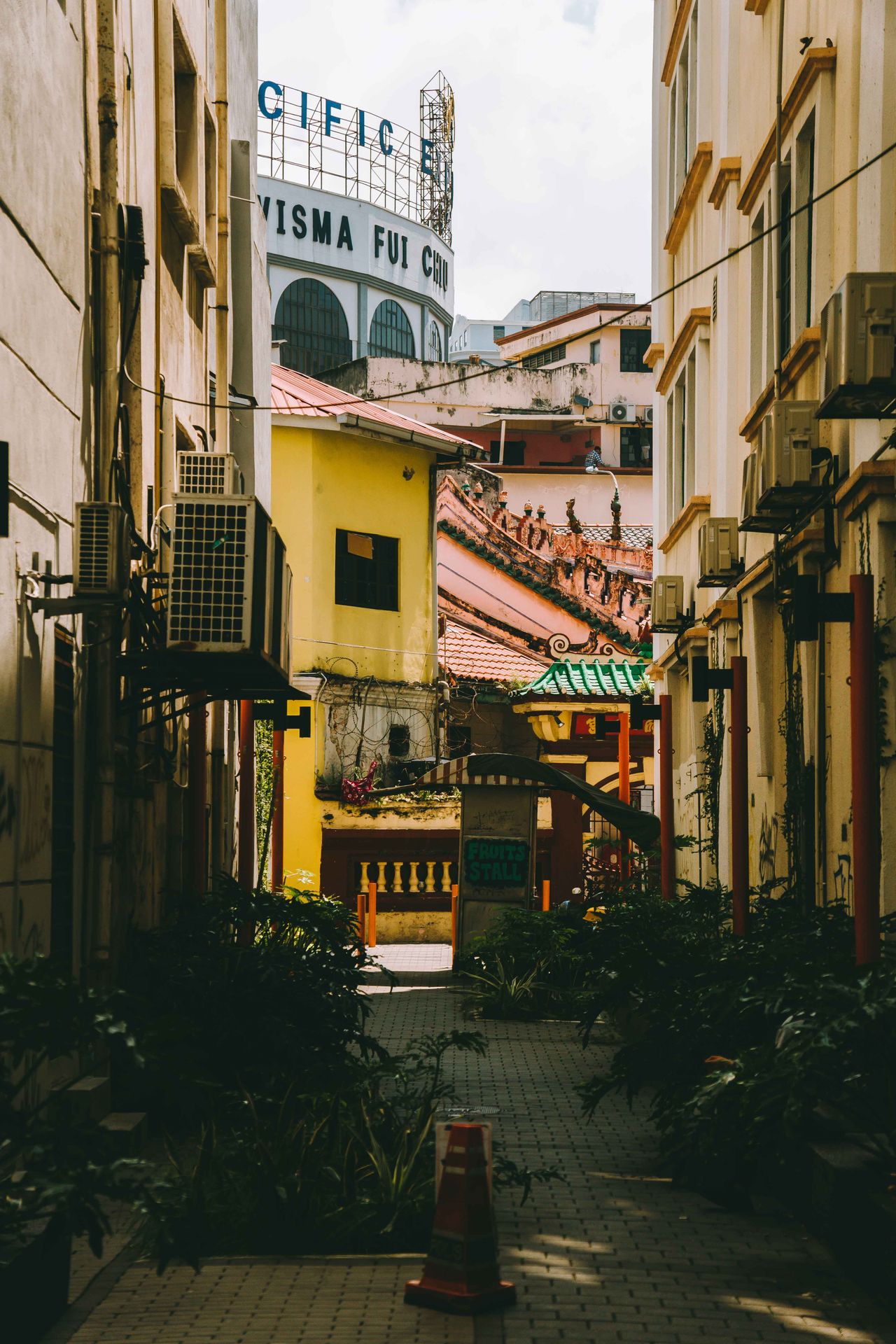
The origins of Chinatown Kuala Lumpur trace back to the late 19th century when Chinese tin miners settled here. What started as a small community grew into a thriving commercial center. The iconic Petaling Street, with its distinctive green archway, was once a hub for opium dens and brothels before transforming into the bustling market we know today. Exploring its side alleys reveals beautifully preserved pre-war shophouses, each telling a story of bygone eras. It’s a truly fascinating blend of old and new.
2. Beyond Petaling Street
While Petaling Street is undeniably the star, there’s much more to explore in Chinatown Kuala Lumpur. Wander off the main drag and you’ll find quieter lanes, historic temples, and hidden cafes. Areas like Kwai Chai Hong offer a charming glimpse into the past with beautifully restored shophouses and captivating murals, making for perfect photo opportunities without spending a single sen. It’s the kind of place where getting a little lost leads to the best discoveries.
Budget-Friendly Activities and Attractions
One of the best things about Chinatown Kuala Lumpur is how many incredible experiences you can have for little to no cost. Your budget-traveling heart will sing with joy!
A. Petaling Street Market
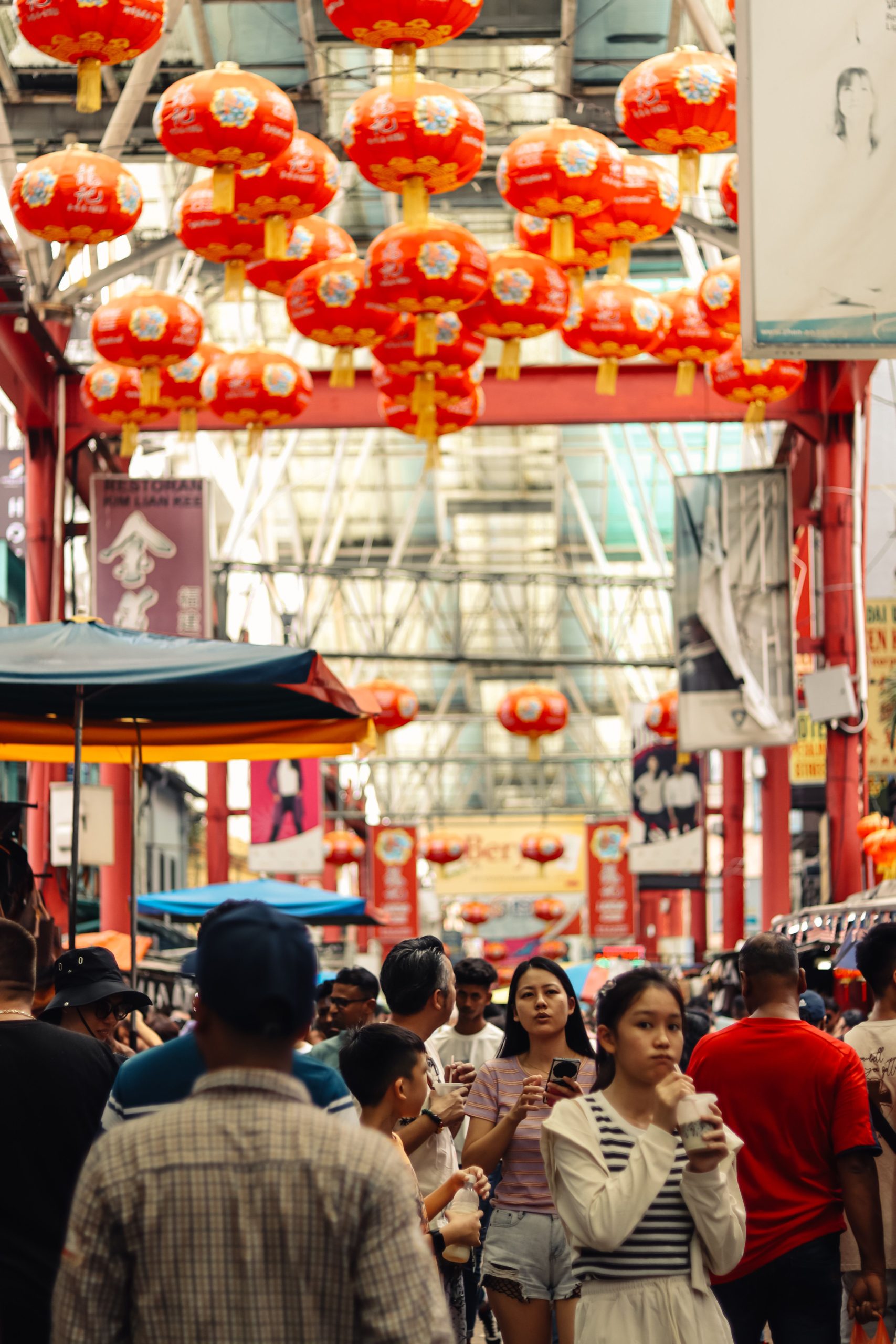
The undisputed heart of Chinatown Kuala Lumpur, Petaling Street is a covered market renowned for its bargain-hunting opportunities. You’ll find everything from imitation goods (bags, watches, clothes) to souvenirs, local snacks, and electronics. The key here is to bargain hard! Start by offering half the asking price and negotiate your way up. It’s a fun, lively experience, and you can easily spend an hour or two soaking in the atmosphere, even if you’re just window shopping.
B. Kwai Chai Hong (Hidden Lane)
Just a stone’s throw from Petaling Street, Kwai Chai Hong, or the “Little Ghost Lane,” is a beautifully restored alleyway bringing old Kuala Lumpur to life through vibrant murals and art installations. It’s completely free to enter and offers a delightful journey back in time, showcasing traditional Chinese life in KL. The murals are incredibly detailed and make for fantastic photos. Don’t miss this charming spot – it’s a real gem!
C. Temples and Cultural Sites
Chinatown is home to several significant religious sites that are free to enter (donations are welcome, of course).
* Sri Mahamariamman Temple: Kuala Lumpur’s oldest Hindu temple, with its elaborate, colorful facade and intricate sculptures, is a feast for the eyes. Remember to dress modestly and remove your shoes before entering.
* Chan See Shu Yuen Temple: One of the largest and most ornate Chinese temples in Malaysia, known for its intricate carvings, clay sculptures, and ornate roof. It’s a peaceful escape from the street’s hustle.
* Guan Di Temple: Dedicated to the Taoist God of War, this temple is popular among locals seeking blessings for strength and protection.
D. Central Market (Pasar Seni)
While technically just outside the immediate Chinatown area, Central Market is easily accessible by foot and a must-visit. It’s housed in a beautifully preserved art deco building and offers a more organized shopping experience for Malaysian handicrafts, batik, souvenirs, and art. It’s a great place to pick up authentic gifts, and you can usually find items for under RM30-50 ($7-12). They also have cultural performances sometimes, which are often free to watch!
Affordable Accommodation Options
Staying in or near Chinatown Kuala Lumpur is a brilliant move for budget travelers. You’ll be right in the action, with easy access to public transport and endless food options.
A. Hostels
Chinatown is packed with excellent hostels offering both dormitory beds and private rooms. You can typically find a clean dorm bed for as little as RM30-60 ($7-14) per night, while private rooms can range from RM80-150 ($19-35). Look for hostels along Jalan Sultan, Jalan Tun H.S. Lee, or in the nearby Pudu area. Many offer free Wi-Fi, communal areas, and sometimes even free breakfast, saving you even more cash. Popular choices include Mingle Hostel, Travel Hub Highstreet, and BackHome Hostel.
B. Budget Hotels and Guesthouses
If you prefer a private space without breaking the bank, guesthouses and small budget hotels are plentiful. These often feature basic but comfortable rooms with air-conditioning and an en-suite bathroom. Prices usually start from RM100-200 ($23-47) per night, making them a great value option for couples or those seeking a bit more privacy. Many are housed in charming colonial-era shophouses, adding to the local experience.
Cheap Eats and Local Food
Get ready for a culinary adventure, because Chinatown Kuala Lumpur is a paradise for cheap eats! You can literally eat like a king for under RM20 ($5) per meal.
A. Petaling Street Hawker Stalls
As dusk falls, Petaling Street transforms into an open-air food court. You’ll find countless stalls selling everything from Char Kuey Teow (stir-fried flat noodles), Hokkien Mee (dark soy sauce noodles), Wantan Mee, and Rojak. My personal favorites include the Apam Balik (peanut pancake) for a sweet treat and a fresh coconut for hydration. Most dishes cost between RM8-15 ($2-3.50).
B. Madras Lane Hawker Centre
Tucked away just off Petaling Street (look for the alleyway near the Wet Market), Madras Lane is legendary for its Curry Laksa and Chee Cheong Fun. It’s a local favorite, bustling with activity, especially during lunchtime. A bowl of rich, flavorful Curry Laksa here will set you back around RM10-12 ($2.50-3) and is an absolute must-try. Come early to beat the crowds!
C. Jalan Sultan and Surrounding Kopitiams
Explore Jalan Sultan and its adjacent streets for more traditional Chinese kopitiams (coffee shops) and restaurants. These are great spots for breakfast, offering classic Malaysian staples like Nasi Lemak, Roti Canai, and Kaya Toast with soft-boiled eggs, all for just a few ringgit. Don’t forget to try a strong local coffee or Teh Tarik (pulled tea).
D. Street Food Galore
Beyond the main hawker areas, keep an eye out for street vendors selling delicious snacks like deep-fried sweet potato balls, freshly made soy milk, dim sum, and various kuih (traditional cakes). These small bites are perfect for fueling your explorations and typically cost just a few ringgit each.
How to Get There on a Budget
Getting to Chinatown Kuala Lumpur is incredibly easy and affordable thanks to KL’s excellent public transport system.
A. LRT (Light Rail Transit) / MRT (Mass Rapid Transit)
The most convenient and budget-friendly way to reach Chinatown is via the LRT Kelana Jaya Line or the MRT Kajang Line.
* Pasar Seni Station is your stop for both lines. It’s literally a 5-minute walk to Petaling Street and Central Market. A single journey from KL Sentral costs just a few ringgit (usually RM1.80-2.50, less than $1).
B. GoKL City Bus (Free Bus Service)
Kuala Lumpur offers a fantastic free bus service called GoKL. The Purple Line covers many key areas, including Chinatown Kuala Lumpur. Look for stops near Pasar Seni or the various temples. It’s completely free and a great way to save money while seeing the city, though it can get crowded during peak hours.
C. Walking
If you’re staying within the Golden Triangle or near Bukit Bintang, Chinatown is often within walking distance (20-30 minutes). It’s a great way to see more of the city and save on transport costs. Just make sure to stay hydrated, especially during the day!
Budget Travel Tips for Chinatown Kuala Lumpur
To maximize your savings and enhance your experience in Chinatown Kuala Lumpur, here are some tried-and-true tips:
1. Master the Art of Bargaining
Seriously, don’t be shy on Petaling Street! Bargaining is expected and part of the fun. Always start low and aim for a price you’re comfortable with. If you walk away, they often call you back with a better offer.
2. Hydrate Smart
It gets hot and humid in Kuala Lumpur. Instead of buying bottled water constantly, bring a reusable bottle and refill it. Many hostels and some cafes offer filtered water. Or, enjoy a fresh coconut from a street vendor for a refreshing, natural drink.
3. Eat Like a Local
Stick to hawker stalls, kopitiams, and local restaurants for your meals. Not only is the food incredibly delicious, but it’s also significantly cheaper than tourist-focused restaurants. Don’t be afraid to try dishes you’ve never heard of – that’s part of the adventure!
4. Utilize Public Transport
The LRT, MRT, and GoKL bus are your best friends for getting around Kuala Lumpur. Avoid taxis or ride-shares like Grab during peak traffic, as fares can surge. Consider getting a Touch ‘n Go card for seamless travel on public transport.
5. Explore on Foot
Chinatown Kuala Lumpur is best explored on foot. Wear comfortable shoes and wander through the alleys, discover street art, and stumble upon hidden cafes. It’s free, healthy, and you’ll uncover details you’d miss otherwise.
6. Free Attractions are Your Friend
As highlighted, many temples and cultural sites in Chinatown are free to enter. Embrace these opportunities to soak in the local culture without spending a dime.
Conclusion
There you have it, folks! Chinatown Kuala Lumpur is an absolute gem for anyone traveling on a budget. It’s a place that assaults your senses in the best possible way, offering a rich tapestry of history, culture, and, most importantly for us budgeteers, incredibly affordable experiences. From haggling for souvenirs on Petaling Street to savoring mouth-watering local delicacies and exploring ancient temples, you can immerse yourself fully without ever feeling like you’re missing out. So pack your bags, bring your adventurous spirit, and get ready to fall in love with the vibrant, welcoming chaos that is Chinatown Kuala Lumpur. Your wallet, and your soul, will thank you!
Frequently Asked Questions (FAQ)
1. Is Chinatown Kuala Lumpur safe for tourists?
Generally, yes, Chinatown Kuala Lumpur is safe for tourists. Like any bustling market area, it’s wise to be aware of your surroundings, especially at night, and keep an eye on your belongings to avoid pickpocketing. I’ve always felt safe exploring the area, even solo.
2. What’s the best time to visit Petaling Street?
For shopping, the market typically comes alive in the late afternoon and evening (from around 4 PM until late), when the stalls are fully set up and the atmosphere is most vibrant. For food, it’s busy throughout the day, with lunch and dinner being peak times. If you want to explore the cultural sites with fewer crowds, morning is usually best.
3. How much money do I need per day in Chinatown Kuala Lumpur?
For a budget traveler focused on cheap eats and free attractions, you could comfortably get by on RM50-80 ($12-19) per day, excluding accommodation. This would cover meals, snacks, public transport, and perhaps a small souvenir. If you include a hostel dorm, budget around RM80-140 ($19-33) per day.
4. Can I use credit cards in Chinatown?
While larger stores and some restaurants in the surrounding area accept credit cards, most hawker stalls, small shops on Petaling Street, and street food vendors operate on a cash-only basis. It’s always a good idea to carry small denominations of Malaysian Ringgit (RM) when exploring Chinatown Kuala Lumpur.